WASHINGTON – The U.S. military launched a massive wave of airstrikes against dozens of Islamic State targets across Syria on Saturday, retaliating for a deadly ambush earlier this month that killed two American soldiers and a civilian interpreter.
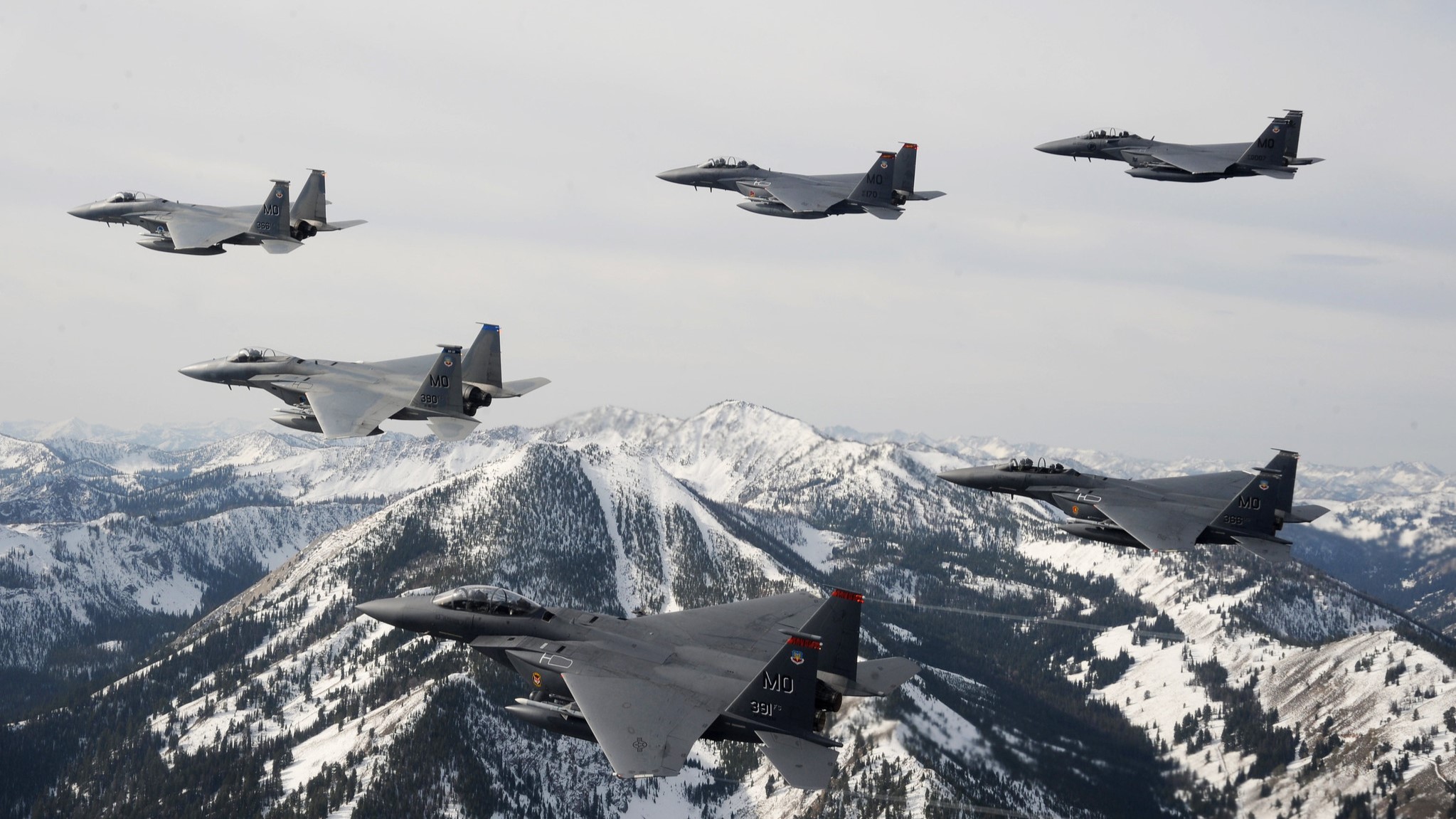
U.S. Central Command (CENTCOM) confirmed the strikes targeted at least 35 locations using more than 90 precision munitions. The operation involved more than 20 aircraft, including F-15Es, A-10s, AC-130Js, and MQ-9 drones, as well as Jordanian F-16s.
The mission, dubbed Operation Hawkeye, was launched in response to a Dec. 13 ISIS ambush in Palmyra. That attack killed Sgt. William Howard and Sgt. Edgar Torres Tovar of the Iowa National Guard, along with civilian interpreter Ayad Mansoor Sakat.
Following the ambush, President Trump vowed "very severe retaliation." Saturday’s operation follows an earlier round of strikes on Dec. 19, in which the U.S. hit more than 70 ISIS targets.
"If you harm our service members, we will find and destroy you anywhere in the world," CENTCOM said in a statement.
Defense Secretary Pete Hegseth reinforced the administration's stance, stating, "We will never forget, and never relent.
Analysis
The latest wave of airstrikes in Syria signals the onset of a more assertive and performative foreign policy under the Trump administration. Far from a singular retaliatory act, the escalation marks the beginning of a sustained campaign intended to operationalize the administration’s doctrine of "disproportionate response" whenever American lives are threatened.
By mobilizing a significant force package—including specialized strike aircraft—and securing the participation of regional allies like Jordan, Washington is broadcasting a message of deterrence aimed squarely at ISIS and regional rivals alike. The rhetoric emanating from CENTCOM and the Pentagon, punctuated by the Defense Secretary’s vow to “find and destroy” adversaries, serves a dual purpose: it reinforces a domestic image of strength while signaling an uncompromising posture to the international community.
This initiative, dubbed "Operation Hawkeye," appears designed to degrade ISIS operational capabilities while simultaneously fulfilling a core executive mandate. The administration’s decision to release declassified strike footage reflects a deliberate shift in strategic communications. By moving away from the discreet interventions of previous years toward a model of publicized, large-scale kinetic action, the administration is utilizing "transparency as deterrence." This approach seeks to maximize the psychological impact of U.S. military reach, signaling that the era of strategic restraint has been replaced by a policy of high-visibility escalation.
Diaspora Impact
This event has no direct impact on the economic or immigration interests of the Vietnamese-American community. Business operations—from the local phở restaurants and shops of Little Saigon to the nationwide nail salon industry—remain unaffected, as do vital visa pathways such as F2B family sponsorships, H-1B professional visas, or EB-5 investments. Furthermore, the steady flow of remittances to family in Vietnam is expected to continue without disruption. Like any other American citizens, members of the community are monitoring these foreign policy developments and military actions primarily as a matter of broader national security.
Bảo Nguyễn
Bảo Nguyễn founded Saigon Sentinel to give the Vietnamese diaspora truly independent, in-depth community coverage at a time when misinformation moves faster than fact-checks and the language barrier makes verification harder than it should be. He sets the editorial standards and quality controls that govern the reporting, chooses the subjects, writes and edits each article, reads it against its sources before publication, audits published output, and handles corrections.