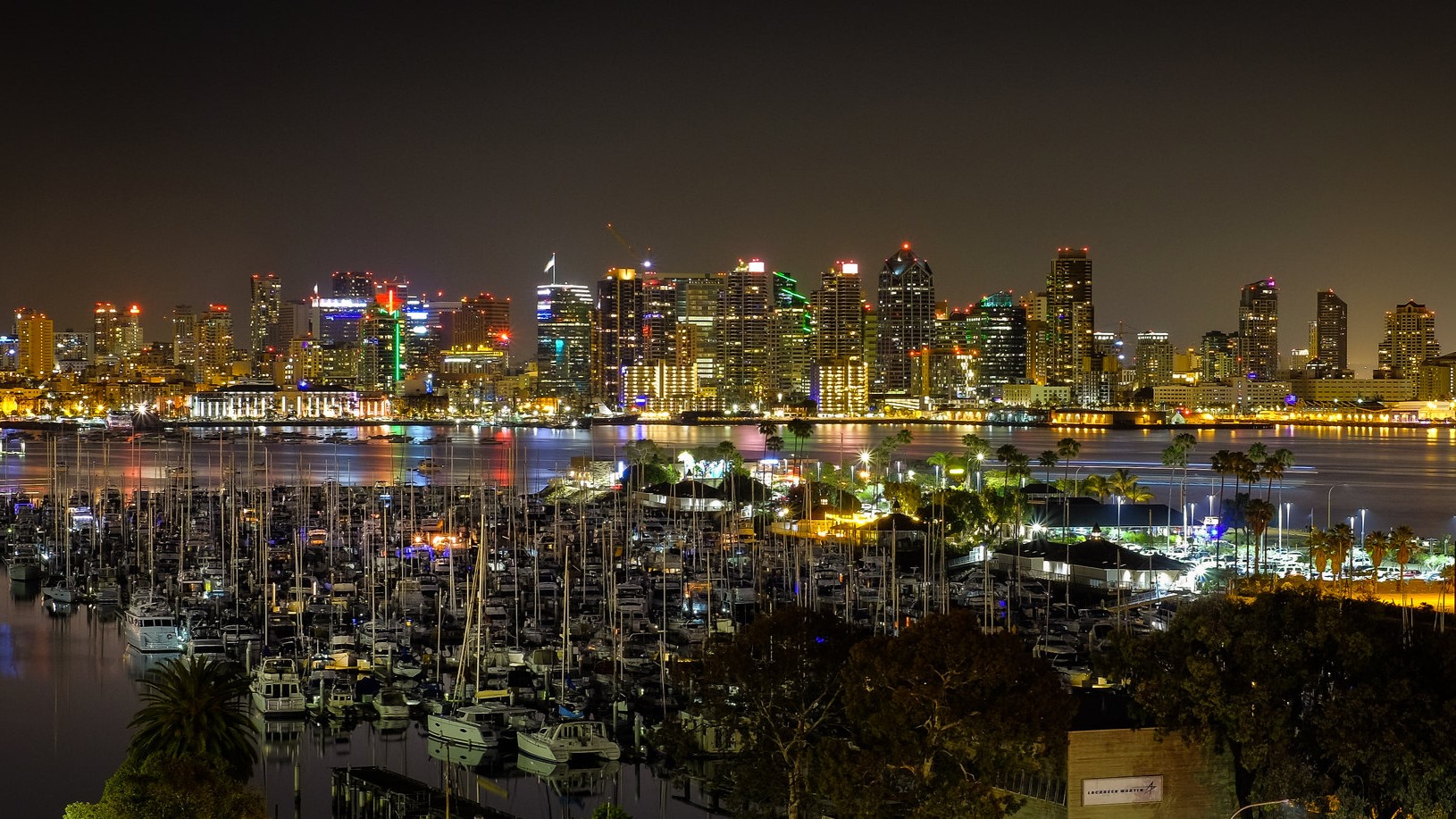
SAN DIEGO — Thousands of tourism workers in San Diego will see their pay increase to $25 per hour by 2030 under a new minimum wage law.
The measure represents a significant jump from the $20-per-hour baseline established for the fast-food industry in recent years.
Starting July 1, employees at major hotels and theme parks will receive a starting wage of $19 per hour, while staff at event centers will earn $21.06 per hour. These rates are scheduled to increase annually.
The new pay scales far exceed the city’s general minimum wage, which is set to rise to $17.75 on Jan. 1.
The law applies to SeaWorld, large event venues, and hotels with 150 rooms or more.
Business owners, particularly hotel operators, warned that the spike in labor costs could lead to higher service prices and reduced hours of operation. Industry leaders also cautioned that the law would create a "ripple effect," forcing other sectors like restaurants to hike wages to compete for staff.
Workers welcomed the pay increase but noted that the new wages are still insufficient to meet San Diego’s high cost of living.
Analysis
San Diego’s latest minimum wage mandate marks a tactical pivot in California’s labor movement, signaling a shift away from the political gridlock of broad, statewide hikes toward a more surgical, sector-specific approach. By targeting industries with high capital liquidity—specifically fast food, healthcare, and now tourism—labor organizers are securing significant wage gains while insulating themselves from the backlash traditionally triggered by the impact on small businesses in lower-margin sectors.
While business associations frequently warn of a "ripple effect," labor strategists increasingly view this spillover not as a side effect, but as a primary objective. By aggressively raising the floor in the tourism sector, unions effectively force a market-wide recalibration. Non-mandated service providers and restaurants are compelled to raise their own wages to compete for a limited labor pool, indirectly lifting the baseline for the entire low-wage market without the need for additional legislation.
The tension surrounding the new law highlights a stark disconnect between employer concerns over inflationary pressure and the reality of California’s cost-of-living crisis. Data from the MIT Living Wage Calculator suggests that a single parent in San Diego requires more than $53 per hour to maintain economic self-sufficiency. In this context, the proposed move to $25 per hour by 2030 is less an aggressive expansion and more of a protracted effort to bridge the widening gap between earnings and basic expenses. The phased implementation through 2030 serves as a crucial political compromise, offering businesses a predictable glide path for adjustment while providing workers with a clear, albeit modest, roadmap toward financial stability.
Diaspora Impact
The Vietnamese community in San Diego, particularly those owning or working in phở restaurants and other small service-based businesses, will likely feel the indirect "ripple effect" of this legislation. Although the law does not target them directly, small business owners may be forced to raise wages to remain competitive as larger hotels and major event centers vie for the same labor pool. While this shift could increase operating costs for local businesses, it also offers the potential for higher earnings for Vietnamese workers across the broader service sector.
Bảo Nguyễn
Bảo Nguyễn founded Saigon Sentinel to give the Vietnamese diaspora truly independent, in-depth community coverage at a time when misinformation moves faster than fact-checks and the language barrier makes verification harder than it should be. He sets the editorial standards and quality controls that govern the reporting, chooses the subjects, writes and edits each article, reads it against its sources before publication, audits published output, and handles corrections.