HANOI — Vietnam’s Ministry of Health is drafting a comprehensive overhaul of the nation’s food safety laws to strengthen oversight of high-risk production and align domestic regulations with international standards.
The proposed amendment, which would replace the existing 2010 law, consists of 11 chapters and 55 articles. The draft focuses on five core policy areas, including stricter management of high-risk facilities and the implementation of risk-based controls for imported goods and processed foods.
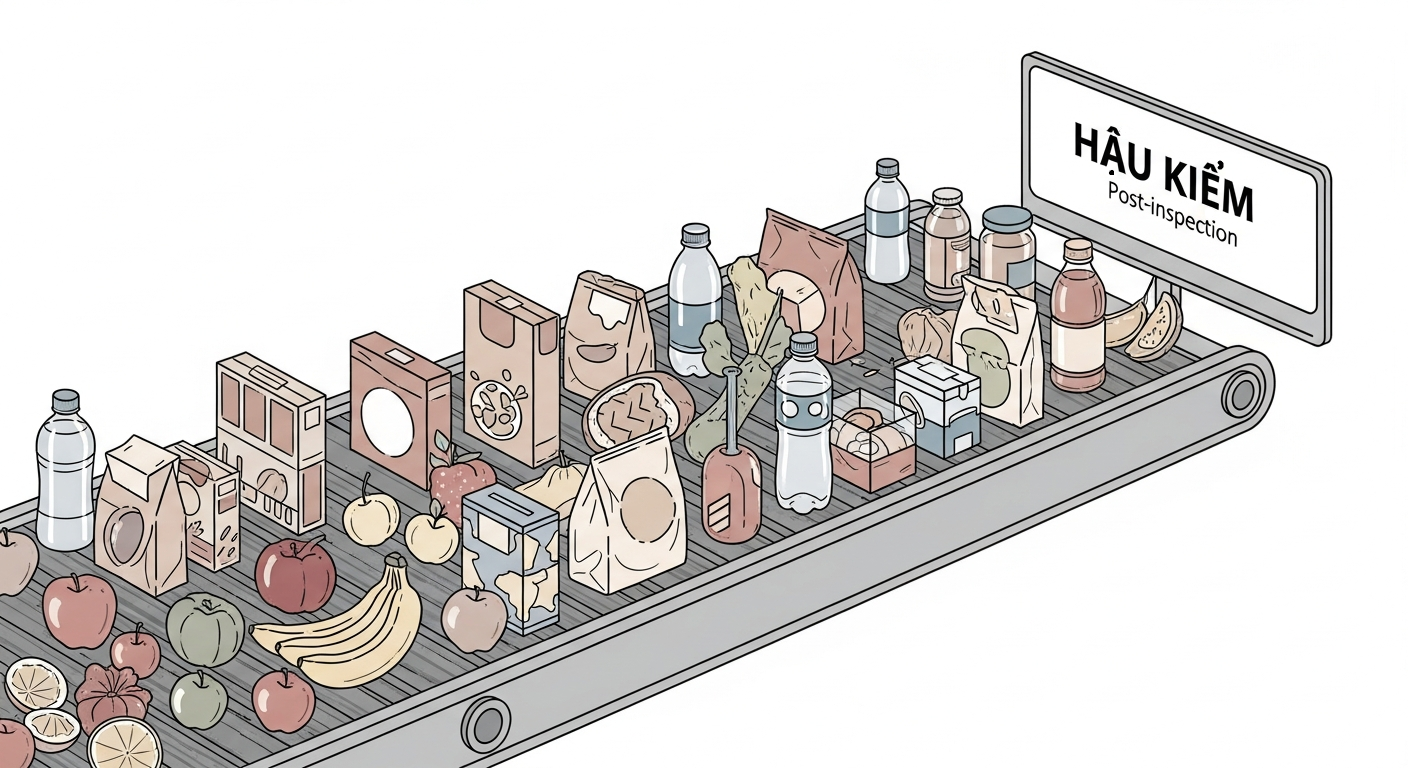
In a significant shift, the Ministry has dedicated an entire chapter to post-market inspections. This "post-audit" approach monitors products after they have entered the marketplace, a model the Ministry noted is similar to the regulatory framework used by the U.S. Food and Drug Administration (FDA).
The draft law also seeks to decentralize authority by granting provincial governments greater power and responsibility in managing food safety within their jurisdictions. Ministry officials said the changes are intended to unify current regulations that have become fragmented over time.
The draft is scheduled to be presented to the National Assembly for consideration during its upcoming session.
Analysis
Hanoi’s overhaul of its Law on Food Safety signals a fundamental pivot in regulatory philosophy, shifting from traditional pre-market approval to a post-market surveillance model. On paper, the move aims to slash bureaucratic red tape and transition the burden of quality assurance onto producers, allowing the state to focus on oversight and punitive enforcement. By referencing the U.S. FDA framework, Vietnam is signaling a clear intent to modernize its domestic regime in line with international standards.
However, the efficacy of this transition remains tethered to the persistent challenge of implementation. Historically, Vietnam has struggled with a wide "compliance gap" between central policy and local reality, often exacerbated by limited surveillance capacity and systemic corruption at the provincial level. While the policy’s aggressive decentralization is designed to increase regional agility, it remains a double-edged sword: it risks creating a fragmented regulatory landscape defined by inconsistent enforcement and the emergence of local "fiefdoms.
This regulatory recalibration is also a strategic necessity driven by external pressures. As key export markets—including the EU, Japan, and the United States—tighten restrictions on pesticide residues and agricultural quality, Hanoi is under immense pressure to align its standards or risk losing market share. Yet, for domestic observers, the central question remains whether these reforms will meaningfully improve safety for Vietnamese consumers, or if they are primarily a tactical move to insulate the country’s export-driven economy from international scrutiny.
Diaspora Impact
For Vietnamese-American business owners who import food products from back home, this new legislation represents a double-edged sword. If implemented effectively, these regulations could significantly improve product quality and safety standards, helping Vietnamese goods gain wider traction in the U.S. market and building deeper trust among consumers—from the shelves of Little Saigon markets to the kitchens of local phở restaurants. However, stricter requirements may also increase compliance costs for manufacturers in Vietnam, potentially leading to higher price points for consumers. Importers should closely monitor the rollout of these rules to proactively adjust their supply chains.
Bảo Nguyễn
Bảo Nguyễn founded Saigon Sentinel to give the Vietnamese diaspora truly independent, in-depth community coverage at a time when misinformation moves faster than fact-checks and the language barrier makes verification harder than it should be. He sets the editorial standards and quality controls that govern the reporting, chooses the subjects, writes and edits each article, reads it against its sources before publication, audits published output, and handles corrections.